Hello blog friends!
As we talked about previously the horror genre really caught my attention.So, today I will be going into more detail and discussing some technical elements of a horror film opening. Let's begin!
Cinematography and Camera Work
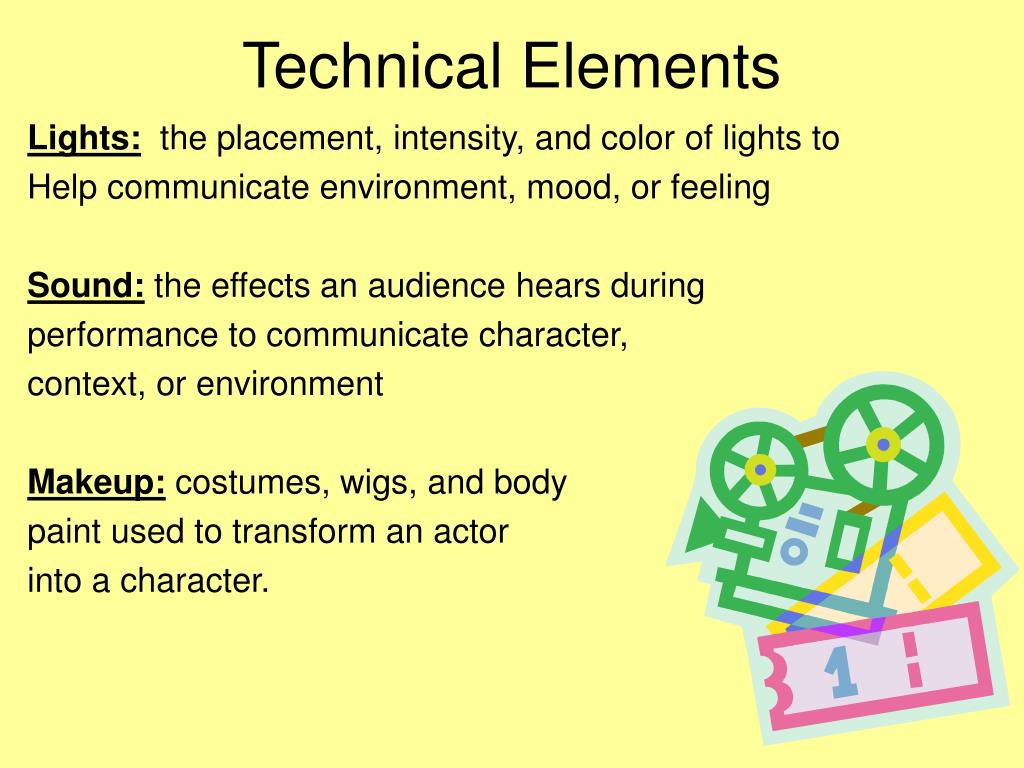
One of the first signs that a movie belongs to the horror genre is its cinematography. Low-key lighting, strong contrast, and carefully selected color palettes are commonly used in openings to create unease. Shadows are more than just stylistic choices—they function as narrative tools that hide details and force the audience to imagine what’s lurking in the darkness. Camera movement is equally important. Handheld shots or slightly unsteady framing can create feelings of fear and disorientation, while slow tracking shots can give a scene a haunting, eerie quality.
Props and Mise-en-Scene
Lighting Techniques
Sound Design and Silence
Sound is vital for creating fear. Low-frequency rumbles, distant echoes, and nearly imperceptible whispers can trigger subconscious anxiety. Environmental sounds such as footsteps, wind, dripping water, and breathing are often amplified to feel more threatening. Silence is equally powerful—by removing sound, filmmakers heighten tension, and the sudden introduction of a noise or scream has a stronger impact. Horror openings generally rely on discordant or repetitive sounds rather than traditional music, which keeps viewers on edge.
Editing and Rhythm
Editing determines the pacing and emotional intensity of horror openings. Long takes and slow cuts build suspense by forcing viewers to scan the frame for potential threats. Strategic cuts, revealing blank spaces before showing danger, can mislead and surprise the audience. In contrast, quick cuts and rapid editing convey chaos, fear, or sudden panic.
Reflection
Researching these technical elements has shown me how deliberate every choice in a horror opening must be. From lighting and props to sound, editing, and mise-en-scene, each element contributes to a sense of unease and anticipation. I’ve learned that effective horror does not rely solely on jump scares or gore; it is the combination of subtle technical details that psychologically engages the audience and immerses them in a world of tension and suspense. Understanding these techniques will help me appreciate the thought and planning behind successful horror films, and will guide me in applying these strategies in our own film projects.




No comments:
Post a Comment