Monday, March 30, 2026

Creative Critical Reflection

 Question 1-How does your product use or challenge conventions, and how does it represent social groups or issues?


To give viewers insight into my creative decisions and explain how I planned and produced my film opening, I created a director-style commentary in the form of a “Get Ready With Me” and a Q&A. This allowed me to clearly explain my choices, such as lighting, sound, and camera angles, and how they help create meaning in my psychological thriller. I chose this format because it is more engaging and relatable, while still showing my development as a filmmaker. Overall, it helps the audience better understand both my creative process and the final product.


Question 2-How does your product engage with audiences, and how would it be distributed as a real media text?

For my second CCR, I chose to present my response as an email to the Cambridge examiner because it allowed me to communicate my ideas in a clear and structured way. Writing in this format made it easier for me to explain my thoughts while still sounding direct and professional. I was able to refer to specific examples from my film opening to support my points, which helped strengthen my explanations. I chose this approach because it felt more engaging than a traditional presentation and allowed me to express my understanding in a more personal and creative way. Overall, this format made my response easier for the audience to follow and understand.


Question 3-How did your production skills develop throughout this project?


For my third CCR, I decided to create a presentation because it allowed me to communicate my ideas in a clear and organized way. This format helped keep the audience engaged while also making it easier for me to go into detail and reflect on my work. By using slides, I was able to highlight key points and include examples from my film opening to support my explanations. Additionally, presenting helped me improve my confidence and delivery, as I had to focus on how I explained my ideas clearly. Overall, the presentation format made my response more structured, engaging, and easier for the audience to understand.


Question 4-How did you integrate technologies – software, hardware and online – in this project?

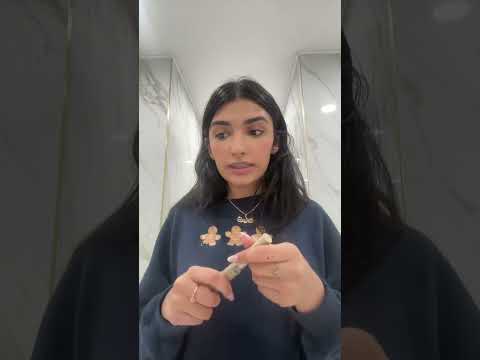
For my final CCR, I decided to create a “make the mysterious prop” video, as it allowed me to present my ideas in a creative and visually engaging way. This format helped me connect directly to my film opening by focusing on the prop that plays an important role in building tension and mystery. While making the prop, I was able to explain my creative decisions in a more practical and interactive way, which made my response feel less formal and more interesting for the audience. It also made it easier to show how meaning is constructed through small details. Overall, this approach made my CCR more engaging while still clearly communicating my ideas and intentions.


We havr finally reached the end blog friends! It was a great journey. Enjoy!


Monday, March 23, 2026

Final Brief

 We’ve officially reached the end of our project, and I couldn’t be more proud of what our group has accomplished! Creating The Secret was a challenging and sometimes stressful journey, but every late night, brainstorming session, and production obstacle was worth it in the end. Seeing our ideas come to life—from the initial concept and storyboard to filming and final editing—was incredibly rewarding.

This project taught me the importance of collaboration, planning, and adaptability. Each team member brought unique strengths that helped shape the story, from writing and directing to acting and technical work. Overcoming challenges, whether they were creative decisions or technical setbacks, strengthened our problem-solving skills and made the final product even more meaningful.

We hope that everyone who watches The Secret enjoys it as much as we enjoyed making it. It’s been a journey full of learning, creativity, and growth, and we are proud to share our hard work with the world.

Title: The Secret
Group Members: Antonella Escorza, Melanie Arango, and Maheen Haroon


Production: Editing Day 3

 Hey everyone! Today was our final day of editing for our film, and I’m excited to share everything we accomplished. As we wrap up our film opening, we’re all really excited to finally release our finished production!

Our main focus for today was creating text boxes, which turned out to be simple but very important to include. We used these text boxes to highlight key roles in our film, such as the actors (Noel and Melanie), the director (Maheen), and the producer (Antonella). Adding these details made our project feel much more complete and professional.

After finishing this part, we took a moment to look back at everything we’ve done, and it was honestly really satisfying. Seeing how far we’ve come made us realize just how much progress we’ve made throughout this process. What started as just raw footage has now turned into a polished film opening, and we’re really proud of the final result.

To create a stronger and scarier effect, we decided to place the title of our film right at the end of the third scene and make it appear in red. This small detail made a big difference in emphasizing the horror element of the story. It helped increase the emotional impact and set the exact mood we were aiming to create.

To improve the appearance of our text boxes, we used a fill tool so they would match the overall style and tone of the film. We also added a blurring effect called “Gaussian Blur.” We found this effect in the editing panel and applied it directly to the scene. This effect helped smooth the transition into the ending and made the opening feel more complete.

In order to make everything appear more consistent and natural, we spent time adjusting the lighting in several clips. This helped improve the overall look of the film and made the scenes blend together more smoothly. However, we did experience some internet issues, which slowed us down and made the editing process more challenging at times. Despite these setbacks, we were still able to accomplish a lot and make significant progress. We are now very close to completing our project, which is exciting for all of us.


Reflection

After reflecting on our editing process, we realized that Premiere Pro was more challenging to use than we initially expected. At the beginning, we weren’t very familiar with many of its features, so we spent time experimenting with different tools and functions to better understand how everything worked. As we continued practicing and learning, we gradually became more comfortable with the software and improved our editing skills. Although we faced some difficulties at first, those challenges helped us grow and become more confident in using the program. Overall, despite the initial struggles, we are very happy with how our video turned out. We are proud of the progress we made and everything we were able to accomplish throughout this project.


Production: Editing Day 2

 Hello everyone! Welcome back to my blog! Today, I’ll be sharing what my group and I accomplished during our second day of editing.

During this session, we focused on incorporating all of the footage we filmed on our second day of recording into our project. We carefully went through each new clip, just like we did before, making sure to review the quality and decide where it would fit best within our film. This process required patience and attention to detail, as we wanted every scene to connect smoothly and make sense within the overall storyline.

After reviewing the footage, we worked on arranging the clips in the correct sequence so that the scenes would flow naturally. This step was really important because it helped us see how the story is coming together visually. As we continued organizing everything, the project started to feel more complete and structured compared to our first editing session.

Building off the progress we made on day one, this session allowed us to expand and improve our film even further. By adding more content and refining the order of our scenes, we are getting closer to creating a cohesive and polished final product. Each editing day is helping us better understand the process and improve the overall quality of our work.

Music

We also began adding music to our film, which was a very important step in the editing process. Since our goal is to create a horror movie, we made sure that the music matched each scene and helped build the right atmosphere. We carefully selected sounds that would enhance the tension and make certain moments feel more intense or unsettling.

In addition, we focused on placing the music at the right moments so it would have the strongest impact. Timing was especially important because even a small change could completely alter how a scene feels to the audience. Although finding the perfect sound and aligning it correctly took a lot of time, it made a huge difference in the overall mood of the film.

As we continued working, we noticed that the scenes felt much more engaging and realistic with music added. It helped bring everything together and made our project feel more like a complete and polished horror film.

Issues

However, we did run into some challenges during this editing session, mainly due to Wi-Fi issues. The connection was unstable, which forced us to restart the editing program multiple times. This slowed down our progress significantly and interrupted our workflow, making it harder to stay efficient and focused.

Because of these technical difficulties, we weren’t able to complete everything we had planned. In particular, we ran out of time to fully adjust the lighting and add the credits to our film, which are both important final touches.

To help us work through certain parts of the editing process that we found confusing, we used YouTube as a resource. Watching tutorials allowed us to learn new techniques and better understand how to edit specific elements of our project. This made the process much smoother and helped us overcome some of the challenges we faced.

Looking ahead to our next session, our main focus will be on finalizing the lighting and completing the remaining details, such as adding the credits. With these finishing touches, we hope to bring our project to a polished and complete state.

Reflection

This experience taught me that editing involves a great deal of problem-solving and the ability to learn new skills along the way. I realized that when you’re unsure how to do something, using resources like YouTube can be extremely helpful in guiding you through the process.Overall, I learned that even when faced with technical difficulties, it is still possible to make progress and continue improving your project. Challenges may slow things down, but they also provide opportunities to learn, adapt, and grow throughout the editing proc


Production: Editing Day 1

 Hi blog, welcome back! Recently, my group finally got together to begin the editing process, and today I want to walk you through everything we worked on during our first session.

To start, our main goal for the day was to get fully organized. We began by going through all of our recorded footage, carefully reviewing each clip one by one. Since we intentionally filmed multiple takes of most scenes, we had plenty of options to choose from. While this gave us flexibility, it also meant we had to be very thoughtful and selective about which clips were the strongest and most effective for our project.

We took our time analyzing each shot, discussing things like camera angles, lighting, audio quality, and overall performance. Even though it might sound like a simple task, this process was actually very time-consuming because we wanted to make sure we were making the best possible choices. Every small decision contributes to the final product, so we didn’t want to rush through anything.

Another important part of our session was organizing the selected clips into the correct sequence. By arranging everything in order, we were able to start visualizing how the final video will flow from scene to scene. This step really helped us establish a clear structure and gave us a better understanding of what areas will require more detailed or “heavy” editing moving forward.

Overall, while it was a long and sometimes tedious process, it was also a very important first step. Getting organized now will make the rest of the editing process much smoother and more efficient. I’m excited to see how everything comes together as we continue working on it!

Next time we meet to continue editing, our main focus will be on improving the lighting, refining our edits, and enhancing the overall visual appeal of the film. Since our project is a horror movie, lighting plays a crucial role in setting the tone. We plan to use low-key lighting techniques to create a darker, more suspenseful atmosphere that helps build tension and gives the scenes a more realistic and unsettling feel. By carefully adjusting brightness, shadows, and contrast, we can make each moment more visually engaging and effective in delivering the “creepy” mood we’re aiming for.

Reflection
Through this process, I’ve realized how valuable our research has been in guiding our decisions. My group and I initially thought editing was mostly about adding sound effects and putting clips together, but we’ve learned that it involves much more than that. Even something as simple as dedicating time to review and select the best clips is a critical step in creating a strong final product. We’ve also learned that preparation and attention to detail make a huge difference. Taking the time to focus on smaller elements like clip selection, lighting adjustments, and scene order—greatly improves the overall quality and professionalism of the film. This experience has shown us that every step in the process matters, and putting in the effort early on will lead to a much more polished and effective final result.


Production: Analyzing Production Day 2

Hello blog! In today’s post, I will be giving a more detailed analysis of our second day of filming. Since Luna was already introduced in our earlier scenes, we decided not to focus too much on her introduction again. Instead, this filming day allowed us to expand the storyline and introduce a new character, Thomas, who begins to play a more significant role as the narrative develops.

Scene 2:

For our second scene, we chose to film at Luna’s home, which helps create a more personal and intimate setting. This is also the point where dialogue is first introduced into the film, marking an important shift from the quiet, observational tone of the opening scenes. Through this dialogue, the audience begins to gain more insight into what is happening, while still leaving some questions unanswered.

In addition, this scene is where we begin to subtly introduce elements that feel slightly unusual or “off.” However, we were careful not to make these changes too obvious right away. Instead, we aimed to keep the overall atmosphere fairly normal at first, so that the gradual shift in tone feels more natural and effective. This slow build helps create suspense and keeps the audience engaged as they start to notice that something is not quite right in Luna’s life.

Location:

We decided to set this scene at the entrance of Luna’s house, as this location symbolically represents a transition from the outside world into her more private space. This choice also allowed us to focus on a key moment in the storyline—Luna receiving an item she has been expecting. At first, this moment appears ordinary, but it quickly becomes clear that the item is not what she thought it would be.

As Luna steps into the house, her reaction changes, and she appears confused, upset, or unsettled by the message she has received. We paid close attention to her facial expressions and body language in order to communicate these emotions clearly without over-explaining them. This helps maintain a sense of mystery while still giving the audience enough information to stay interested.

The scene itself is kept short and purposeful. Its main role is to introduce this new development, hint at deeper issues, and smoothly transition into the following scene. By keeping it brief, we ensure that the pacing of the film remains steady while still building tension and curiosity about what will happen next.

Props:


Two key props play a significant role in shaping Luna’s decisions and driving the narrative forward. The first is the package she has been waiting for, which is subtly hinted at in the opening scene and then properly introduced in Scene 2. At first glance, the package appears completely ordinary, which helps maintain the sense of normality that has been established so far. However, as Luna interacts with it, the audience begins to realize that it carries a deeper meaning and may not be as harmless as it seems.

The second important prop is the message attached to the package. This message becomes the turning point in the scene, as it directly affects Luna’s emotions and behavior. Her reaction shifts noticeably after reading it, suggesting confusion, concern, or even fear. Rather than fully revealing what the message says, we chose to keep some ambiguity, allowing the audience to interpret its meaning and become more curious about its significance.

Together, these two props create the first strong sense of tension and unease within the film. They interrupt the calm and ordinary tone established earlier and introduce a feeling that something is not quite right. This moment is designed to surprise the audience and encourage them to question Luna’s reality, making them realize that her life may not be as “normal” as it first appeared.

Scene 3:

In this sequence, our main objective is to build suspense as effectively as possible and leave the audience with a powerful cliffhanger. This scene acts as a key turning point, where the tone of the film becomes more intense and the mystery surrounding Luna’s situation deepens. To achieve this, we carefully considered several filmmaking techniques, including camera work, pacing, sound, and lighting.

For example, we plan to use slower pacing and more deliberate cuts to stretch out key moments and increase tension. Close-up shots will be used to capture important details, such as facial expressions or significant objects, allowing the audience to focus on subtle changes in emotion and meaning. Lighting will also play a major role, as we may shift from brighter, natural tones to slightly darker or more shadowed visuals to reflect the growing sense of unease.

This scene also introduces Thomas, a new character who adds another layer to the story. His presence is important because he begins to influence how the audience interprets everything that has happened so far. Rather than simply continuing the narrative, Thomas helps redirect it, offering a different perspective that may either clarify or further complicate the situation. His introduction is meant to feel impactful, making the audience question what is real and what might be hidden.

Overall, Scene 3 is designed to significantly raise the tension of the film while expanding the storyline. By combining visual techniques, character development, and an unresolved ending, we aim to leave the audience on a cliffhanger that builds anticipation and encourages them to keep watching to uncover the truth.


Since Luna and Thomas are speaking on the phone during this scene, the choice of location becomes extremely important in how the audience understands what is happening. At first, the scene is designed to make it seem as though they are in completely separate places—Thomas is shown sitting inside a car, while Luna appears to be at her neighborhood drink spot. This creates the impression that they are distant from each other, both physically and emotionally. However, in reality, they are actually in the same location at the exact same time, which is a detail we intentionally keep hidden at first.

Rather than directly telling the audience this information, we carefully use subtle visual and contextual clues to allow viewers to figure it out themselves. For example, the background elements, such as lighting, surrounding objects, and general environment, are intentionally made similar in both shots. The timing of their conversation, the way the camera cuts between them, and even small details like sound and atmosphere all help suggest that they are closer than they appear. Additionally, the positioning of Thomas’s car is meant to imply that it is parked near the same drink spot where Luna is located. As the scene progresses, observant viewers may begin to piece together these clues and realize the connection.

This technique is used to build a strong sense of suspense and dramatic tension. By allowing the audience to slowly uncover this hidden detail, we create a feeling of unease and anticipation. The audience may start to question why Thomas is so close to Luna without her fully acknowledging it, which adds mystery to both characters. Our goal is to make viewers feel slightly anxious as they watch the scene unfold, while also becoming more curious about what will happen next. This gradual realization keeps the audience engaged and encourages them to pay close attention to every detail.

Costume:

In this same scene, we introduce Thomas as a new and significant character in the film, so it was important for us to carefully consider how he is presented. Similar to Luna, we wanted Thomas to appear as a typical teenage boy that the target audience can easily recognize and relate to. To achieve this, we chose simple, casual clothing that reflects everyday teenage fashion, such as basic shirts, hoodies, or jeans. His outfit is not meant to stand out or seem overly styled; instead, it helps him blend naturally into the setting and reinforces the sense of realism we are aiming for.

However, this choice is also intentional in a deeper way. By making Thomas look completely ordinary on the surface, we create a contrast between his appearance and his actual role in the story. Just like Luna, there are hidden aspects to his character that are not immediately revealed. This supports the overall theme that appearances can be misleading and that there is often more beneath the surface than what is shown.

Through both the location setup and costume design, we aim to create a layered and engaging scene. The audience is encouraged to question what they see, notice small details, and become more involved in interpreting the story. This not only builds suspense but also strengthens the mystery surrounding both Luna and Thomas, making the scene more impactful and memorable.

Thomas is presented as what appears to be a typical popular and athletic teenage boy. This is mainly shown through his costume choices, as he is wearing a baseball-style shirt along with a golf cap. These items were carefully selected to immediately give off the impression that he fits into a familiar “popular” stereotype that many viewers can easily recognize. By doing this, we make his character feel realistic and relatable, especially for a teenage audience who may have seen similar personalities in real life.

This decision was intentional because we want Thomas to be perceived throughout the film as someone who seems confident, well-liked, and ordinary on the surface. However, this outward appearance is meant to be misleading. While he looks like a typical popular student, he is not truly who he seems to be, and this contrast becomes more important as the story develops.

We specifically chose not to make anything about his appearance seem suspicious at the beginning. If his costume or behavior immediately hinted that something was wrong, it would reduce the impact of the later reveal. Instead, by making him appear completely normal and even somewhat likable, we are able to build a stronger sense of surprise when the audience begins to realize that something about him is off.

Although the deeper meaning behind his costume choices is carefully planned during production, it is not something that is directly revealed to the audience at the start. This allows the story to unfold more naturally, with the audience gradually discovering the truth about his character over time.
Overall, the purpose of Thomas’s costume is to reinforce one of the key themes of the film—that not everyone is who they appear to be. By using simple and familiar clothing to create a false sense of normality, we are able to make the eventual shift in his character more impactful and memorable for the audience.


Thursday, March 5, 2026

Production- Finding Music for Scene 2

 As we began selecting music for the final scene, we wanted it to contrast strongly with the first scene. Since our film will end on a cliffhanger, the music needs to immediately create suspense and tension. Our goal is to leave the audience on edge, making them eager to know what happens next and catching them slightly off guard compared to the cheerful tone of the opening scene.

Scene 2: Mirage by Hamlin Naeselius
For the final scene, we wanted a shorter piece of music that could deliver a quick and sudden impact. Mirage fits this perfectly with its sharp beat drop, instantly creating a sense of suspense. The track effectively conveys the eerie and tense mood we’re aiming for, enhancing the overall horror experience. We believe this song will engage the audience’s fear and make the ending even more suspenseful, leaving them wanting more.

Link:

Return by Everything
When I first listened to this song, I really liked its suspenseful beat and the sense of tension it created. However, the more we analyzed it, the more we realized that the pace is a bit slower than we want for our final scene. Because it lacks a strong beat drop, it doesn’t fully emphasize the dramatic events in the scene. We think a song with a more sudden and powerful beat drop would be more effective in building tension and keeping the audience on edge.

Link:

The Curse by Belladonna Strings
When I first listened to this song, I really appreciated the eerie atmosphere it created. The beat adds a sense of suspense, but it doesn’t fully deliver the high-stakes tension we were aiming for. From the beginning, our vision for this part of the film included a dramatic beat drop immediately after the scene to amplify the intensity. We want the beat drop to mimic the feeling of a heart dropping, creating a powerful and suspenseful moment that really engages the audience.
Link:

Reflection
After considering several music options for our final scene, we ultimately decided on Mirage by Hamlin Naeselius. The sudden beat drop fits perfectly with the pacing and structure of our film, creating the suspenseful impact we were aiming for. Since we want the music to last no longer than ten seconds, having the beat drop right at the start is ideal. We’re really excited to incorporate this track into our film opening and see how it enhances the overall tension and mood.

Creative Critical Reflection

 Question 1-How does your product use or challenge conventions, and how does it represent social groups or issues? To give viewers insight i...