Monday, January 26, 2026

Research:Horror Film Marketing Strategies

Welcome back to my blog!

To continue our research on horror film openings.Today we will be focusing on marketing strategies for horror film openings.So let's get started!

By purposefully blurring the boundaries between reality and fiction, movies like
The Blair Witch Project invented viral marketing and used viewer curiosity as a potent marketing tool. The campaign suggested the events in the movie were true by using police reports, grainy "found footage"-style trailers, and false missing-person leaflets in place of standard advertising. With fake interviews and news clips, a simple website portrayed the characters as actually missing students, enticing visitors to research and conjecture online. This tactic thrived on ambiguity: by avoiding explicit confirmation that the plot was made up, the marketing encouraged fan hypotheses, word-of-mouth conversations, and media attention, all of which increased the film's audience at nearly no expense. The film became a cultural sensation and established a model for viral marketing based on involvement, intrigue, and audience-driven buzz because of its sense of authenticity and mystery, which made viewers feel like participants rather than passive watchers.

In order to actively engage viewers in the narrative process and build suspense before to release, movies such as Paranormal Activity used interactive puzzles and user-generated content as a viral marketing tactic. The campaign transformed marketing into a participatory experience by encouraging spectators to "unlock" secrets, interpret hidden meanings, and share their emotions online rather than just promoting the movie. In order to generate a feedback loop of expectation and social evidence, fans were asked to submit their own videos, theories, and reactions. Because of this interaction, viewers were given a sense of personal involvement in the mystery, as though they were discovering the truth with the protagonists.The approach maintained long-term buzz, enhanced peer-to-peer promotion, and reaffirmed the film's themes of realism and dread by letting tension develop through group problem-solving and shared discovery, demonstrating that involvement can be just as effective as exposure in viral marketing.
Halloween terror Nights at Universal Studios is an example of an experiential marketing campaign that turns promotion into a completely immersive, real-world event that lets fans enter the realm of terror. Audiences physically navigate haunting mazes, live performances, and themed surroundings inspired by classic horror films and franchises rather than merely seeing trailers. This tactic makes the terror feel immediate and intimate by appealing to the senses of sight, sound, touch, and even scent. Fans develop strong emotional bonds with the brand and its stories through their interactions with performers, sets, and plots. The event's impact goes much beyond the park itself thanks to the shared nature of these experiences, which are enhanced by social media posts, films, and word-of-mouth. In the end, experiential marketing works by transforming entertainment into memorable experiences that strengthen brand loyalty and create natural buzz through genuine, first-hand interaction.

Long before a movie is released, ambiguous teaser advertisements use mystery and purposeful confusion to grab viewers' interest and encourage discussion.   These teasers depend on vague imagery, disjointed conversation, and eerie images that allude to themes without offering solutions, rather than disclosing explicit narrative clues. The uncertainty effectively turns expectation into a shared experience by encouraging viewers to replay, evaluate, and discuss the teaser on social media and in fan forums. Ambiguous teasers maintain long-term buzz through ongoing discussion and theory-building while heightening emotional intrigue and excitement by withholding information and letting viewers fill in the blanks on their own.

By portraying imaginary items as though they exist outside of the movie's plot, real-life "cursed tape" marketing techniques appeal to people's dread of the unknown while also adding a degree of credibility and mystery. Distributing enigmatic videotapes or digital snippets with puzzling visuals, malfunctions, or frightening messages—often without any branding or context—may be a part of these initiatives. The promotion encourages viewers to share, examine, and discuss the footage's sources by portraying the video as harmful or prohibited. This delusion of reality increases emotional engagement by making the terror seem more immediate and intimate.By giving viewers the impression that they have actually experienced the terror rather than just watching it on TV, these immersive strategies have been incredibly successful in drawing crowds, maintaining buzz, and creating a stronger emotional bond.

Sources


Research: Technical Elements Of Horror Film Openings

 Hello blog friends!

As we talked about previously the horror genre really caught my attention.So, today I will be going into more detail and discussing some technical elements of a horror film opening. Let's begin!

Cinematography and Camera Work

One of the first signs that a movie belongs to the horror genre is its cinematography. Low-key lighting, strong contrast, and carefully selected color palettes are commonly used in openings to create unease. Shadows are more than just stylistic choices—they function as narrative tools that hide details and force the audience to imagine what’s lurking in the darkness. Camera movement is equally important. Handheld shots or slightly unsteady framing can create feelings of fear and disorientation, while slow tracking shots can give a scene a haunting, eerie quality.

Props and Mise-en-Scene

Props in horror openings often carry more weight than one might expect. A child’s toy in an empty room, a cracked mirror, a bloodstained object, or an old religious symbol can suggest danger or past trauma without explicitly showing it. Each prop is deliberately chosen to grab attention and provoke questions. The mise-en-scene—the arrangement of everything in the frame, including composition, actor placement, costumes, and setting—further amplifies tension. Characters are often isolated, placed off-center, or surrounded by empty, unsettling spaces. Environments such as cluttered rooms, abandoned houses, and narrow hallways enhance vulnerability, while muted costumes help characters blend into their surroundings, making the viewer more uneasy.

Lighting Techniques

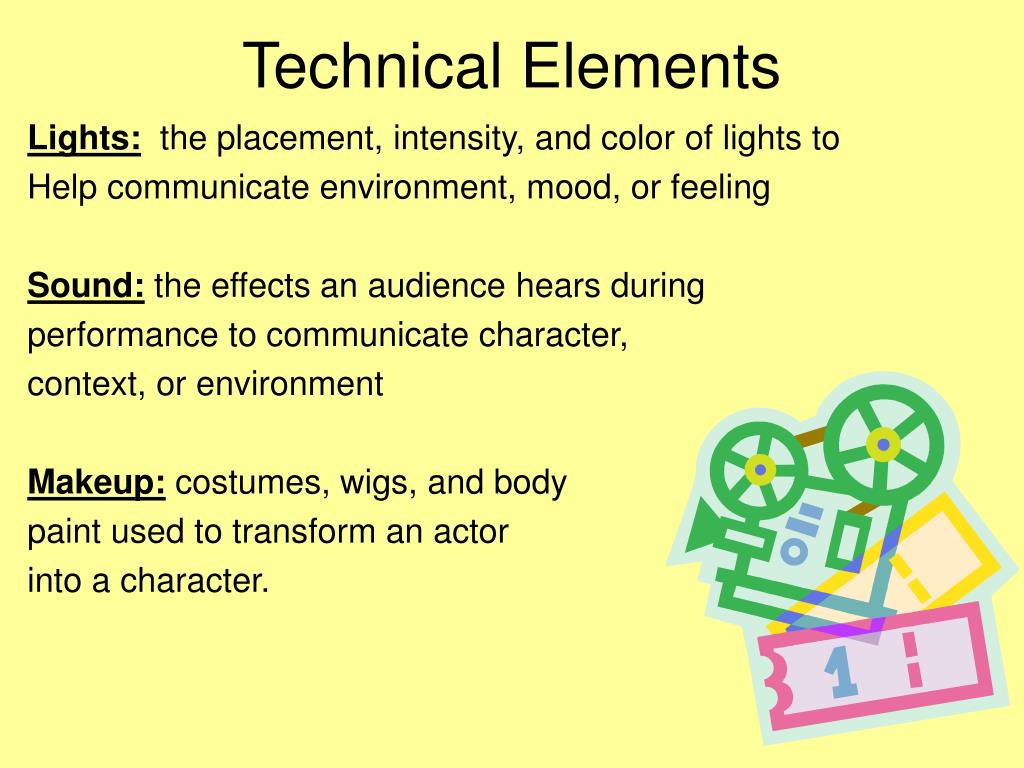
Lighting is one of the most critical elements in horror film openings. Low-key lighting casts deep shadows and hides details, forcing the audience to imagine unseen dangers. Practical lighting, like candles or flickering lamps, creates uneven illumination that heightens suspense. Abrupt changes, such as a light suddenly going out, instantly increase tension. Color temperature also plays a role: warm tones can provide a false sense of comfort, while cold, blue-tinted lighting can convey death, isolation, or unease.

Sound Design and Silence

Sound is vital for creating fear. Low-frequency rumbles, distant echoes, and nearly imperceptible whispers can trigger subconscious anxiety. Environmental sounds such as footsteps, wind, dripping water, and breathing are often amplified to feel more threatening. Silence is equally powerful—by removing sound, filmmakers heighten tension, and the sudden introduction of a noise or scream has a stronger impact. Horror openings generally rely on discordant or repetitive sounds rather than traditional music, which keeps viewers on edge.

Editing and Rhythm

Editing determines the pacing and emotional intensity of horror openings. Long takes and slow cuts build suspense by forcing viewers to scan the frame for potential threats. Strategic cuts, revealing blank spaces before showing danger, can mislead and surprise the audience. In contrast, quick cuts and rapid editing convey chaos, fear, or sudden panic.

Reflection

Researching these technical elements has shown me how deliberate every choice in a horror opening must be. From lighting and props to sound, editing, and mise-en-scene, each element contributes to a sense of unease and anticipation. I’ve learned that effective horror does not rely solely on jump scares or gore; it is the combination of subtle technical details that psychologically engages the audience and immerses them in a world of tension and suspense. Understanding these techniques will help me appreciate the thought and planning behind successful horror films, and will guide me in applying these strategies in our own film projects.

See the source image


Sources 

Sunday, January 18, 2026

Research: Horror Film Openings


 Hello friends!

Today I will be discussing all the film openings I watched and took notes on.

I payed attention on creating and examining a film opening that could act as a model for my own work. I researched how successful movie starts set expectations for tone, genre, and plot. My objective was to determine how much information should be disclosed at the outset and how music and images can captivate and audience right away. I closely observed camera movement, sound design, speed, and titles as I watched and examined a number of movie openings from various genres. A major character, a central mystery or the main conflict are sometimes introduced in movie openings without providing a detailed explanation. In addition, I started taking notes about setting, mood, and character introduction for my own movie opening concept.


I became increasingly aware of how crucial the first one to three minutes of a film are in shaping audience expectations after closely studying a range of movie openings. These opening moments often establish tone, genre, and emotional direction, making them essential in capturing the viewer’s attention. I also discovered how directors strategically use elements such as music, camera movement, and pacing to create a dynamic and engaging atmosphere from the very beginning. For example, soundtracks can immediately evoke specific emotions, while deliberate camera movements can build tension or curiosity without the need for dialogue.

This research encouraged me to prioritize visual storytelling over heavy exposition, which significantly influenced my creative decisions. Initially, I had planned to rely heavily on dialogue to communicate the plot and provide context for the audience. However, through my analysis, I realized that this approach could limit the cinematic impact and reduce audience engagement. Instead, I concluded that my films should focus more on mood, sound design, and imagery to convey meaning in a more immersive and subtle way.

Additionally, I learned that the most effective openings tend to raise questions rather than provide clear answers. By creating a sense of mystery or ambiguity, filmmakers invite the audience to become more actively involved in interpreting the narrative. As a result, I decided to incorporate this approach into my own work, ensuring that my film openings intrigue viewers and encourage them to keep watching.

In conclusion, this research was really beneficial and verified that I and headed in the correct route. It helped me better understand how to set up my opening scene and present my genre without saying it out loud. 


Research: Horror Sub-genre

Hi blog, welcome back! Over the past few weeks, my group and I have been exploring different film genres to see which direction we want to take for our project. One genre that has always fascinated me is horror, but I quickly discovered that there’s far more to it than just scary moments or shocking scenes. Today, I want to take you through my deep dive into the horror genre, explaining how I approached my research and the insights I gained along the way.

The horror genre is captivating because it revolves around tension, uncertainty, and a continuous buildup of suspense. It’s not simply about gore or violence; effective horror engages the audience psychologically, making them feel fear, anticipation, and emotional intensity. Horror can take many forms, and the variety of sub-genres allows filmmakers to explore different tones, themes, and experiences. Some of the most interesting sub-genres I discovered are horror romance (sometimes called “horromance”), psychological horror, and horror-mystery. Each has distinct characteristics that influence how a story is told and how the audience reacts.

Horror Romance (Horromance)
Horror romance is a fascinating sub-genre that blends elements of fear and emotional intensity with love and passion. One example I explored is Bram Stoker’s Dracula (1992). In this film, Dracula becomes obsessed with Mina, believing she is the reincarnation of his long-lost wife. This creates a story where romance is intertwined with horror, resulting in a dramatic, emotionally charged narrative. The tension comes not only from the supernatural threats but also from the forbidden and often dangerous nature of love in the story. Tropes like tragic love, obsession, and connection through shared blood are common in horror romance, making it both thrilling and emotionally engaging.

Through researching horror romance, I realized that horror is not just about frightening visuals—it can also explore complex human emotions, moral dilemmas, and intense relationships. Combining fear with love or desire creates a unique tension that keeps audiences invested and makes the story multi-dimensional. This sub-genre has opened my eyes to the ways horror can be subtle, psychological, and emotionally rich, rather than purely focused on shocks or violence.

Image result for dracula lover

Psychological Horror

Psychological horror is a sub-genre that explores fear and tension through the mind rather than through physical threats or monsters. It focuses on the internal struggles, paranoia, and emotional instability of characters, often blurring the lines between reality and imagination to create a sense of unease. Unlike traditional horror, the terror in psychological horror is driven by what the characters—and by extension, the audience—cannot fully trust or understand.

A great example of this sub-genre is The Shining (1980), directed by Stanley Kubrick. The story follows Jack Torrance as he slowly descends into madness while isolated in a haunted hotel. The horror comes from his psychological breakdown, the oppressive atmosphere of the hotel, and the blurred line between reality and hallucination. Another example is Hereditary (2018), which explores grief, trauma, and family tension. The characters’ fears and suspicions grow increasingly intense, leading to shocking emotional and psychological revelations rather than relying solely on jump scares.

Psychological horror often uses visual and auditory techniques to heighten tension, such as unsettling camera angles, distorted sound effects, and slow pacing that builds anxiety. Common themes include obsession, guilt, loss, and the fragility of the human mind. Unlike supernatural or slasher horror, this sub-genre makes viewers question what is real and what is imagined, creating suspense that lingers even after the movie ends.

By examining films like The Shining and Hereditary, I’ve learned that psychological horror relies on the audience’s imagination to amplify fear. It demonstrates that horror doesn’t always need a monster—it can be rooted in the mind, emotions, and the unpredictable nature of human behavior, making it a deeply compelling and unsettling genre.

The horror genre offers a vast range of sub-genres, but the one that most interests me is horror romance. This sub-genre is unique because it blends the familiarity of romantic relationships with the tension and suspense of horror, creating a story that is both relatable and thrilling. The combination allows audiences to connect emotionally with the characters while still being surprised by unexpected twists or dark plot developments.

While every genre includes a variety of components, it’s important to first identify the specific sub-genre you want to work within and understand the conventions that define it. Horror romance, for example, often includes themes of forbidden love, obsession, or love intertwined with danger or supernatural elements.

I think horror as a whole is incredibly versatile. It contains countless possible storylines and plots that can appeal to all types of audiences. From psychological fear to supernatural thrills, horror has the flexibility to engage viewers in multiple ways while still delivering suspense, emotion, and excitement. For me, horror romance stands out because it combines emotional depth with the unpredictability of fear, making it both engaging and memorable.

https://michaelbungay.wixsite.com/start-from-scratch-n/comedy-codes-and-conventions

Reflection

After researching the horror genre and its sub-genres, I have gained a much deeper appreciation for how versatile and complex horror can be. I learned that horror is not just about frightening the audience with monsters or gore—it can explore emotions, relationships, and psychological tension in ways that are both engaging and meaningful.

Horror romance, in particular, stood out to me because it blends familiar human emotions, like love and passion, with suspense and danger. This combination makes stories relatable while still keeping the audience on edge, creating a unique emotional experience. Psychological horror also impressed me with its ability to create fear through mental instability, obsession, and the fragility of the human mind rather than relying on external threats.

Overall, this research has shown me that understanding the conventions of a sub-genre is crucial for crafting a story that resonates with an audience. Horror offers endless possibilities for storytelling, and I now feel more confident about how to develop ideas within this genre while making them emotionally compelling and suspenseful. Exploring these sub-genres has inspired me to think creatively about how I can combine elements of fear, emotion, and tension in our own film project.


Research:Genres to Consider

Hello blog friends!


Today I will be discussing three different genres: horror , romance, and comedy. These are the three genres that have interested my group and I and could possibly be what my group and I use for our film opening. 

Horror Genre Convention Research

Horror is a genre that makes the audience feel fear, suspense, shock, and emotional tension. They usually rely on dark lighting, eerie sounds, isolated locations, and themes involving death, danger, or the unknown. Horror films usually place characters in vulnerable situations where they are threatened by something powerful, mysterious, or supernatural. The atmosphere is usually unsettling, even before any obvious danger shows, which helps build suspense and anticipation. 


The opening of a horror film is very important because it creates an emotional tone and signals to the audience that they are entering a frightening world. Many horror films begin with a shocking or disturbing event, such as a murder, an unexplained disappearance, or a paranormal encounter. This early danger immediately captures attention and establishes the threat that will drive the narrative. Filmmakers often use silence, sudden loud sounds, or disturbing visuals to create tension and make the audience feel anxious. The setting is often quiet, dark, or isolated to increase the sense of vulnerability and fear. 

https://www.bing.com/videos/riverview/relatedvideo?q=horror+films+opening+genre+conevntions&&mid=303D73B94242896585C6303D73B94242896585C6&FORM=VRDGAR

Horror film openings typically establish key conventions such as isolation, suspense, and the presence of a threat. They may hint at a villain, monster, or supernatural force, but not fully give it away. The pacing is often slow at first and continues to increase to keep the audience interested. Camera techniques like close-ups, shadows, and restricted visibility are also used to make the audience feel uneasy/uncertain. 


Overall, horror film openings are designed to shock, disturb, and emotionally prepare viewers for fear. They introduce the threat early, establish an atmosphere of danger, and encourage the audience to remain alert throughout the film by using visual, sound, and narrative conventions to create suspense.

Comedy Genre Convention Research

The purpose of comedy films is to entertain the audience through humor, exaggerations, and relatable situations. They often use bright or natural lighting, upbeat or playful music, and lively dialogue to create an energetic and enjoyable atmosphere. Characters in comedy films are usually exaggerated versions of real people, with clear flaws, misunderstanding or weaknesses that lead to humorous situations. These films commonly explore everyday experiences such as friendship, work, family life, or relationships, but present them in a playful and exaggerated way to make them entertaining. 

PreviewMore like thisPlaying video preview. 18:52What Makes a Movie Funny? — How to Write, Direct, and Edit Comedy153.9K viewsJul 22, 2024YouTubeStudioBinder


The opening of a comedy film usually focuses on establishing the tone and style of humor as quickly as possible. Rather than creating tension or fear, comedy openings aim to make the audience laugh or smile early on. This immediately reassures viewers that the film will be lighthearted and fun. The opening often introduces the main character in an awkward situation that reflects their personality and hints at the challenges they will face throughout the film.


Comedy film openings rely heavily on timing, dialogue, and visual humor. Fast paced conversations, exaggerated reactions, and humorous editing are commonly used to maintain energy and keep the audience engaged. The pacing is often quick to support the rhythm of the jokes lasting too long. Camera work is usually simple and clear, allowing the audience to focus on the characters and comedic action rather than dramatic visuals.

https://michaelbungay.wixsite.com/start-from-scratch-n/comedy-codes-and-conventions


Overall, comedy openings are effective because they clearly define the style of humor, establish the tone, and introduce flawed but likable characters. By making the audience laugh early, the film builds trust and encourages viewers to remain emotionally invested in the characters and their journeys, while reinforcing the conventions of the comedy genre. 


Romance Genre Convention Research

Romance films focus on love, emotional connection, and personal growth. They often feature relatable or idealized protagonists and explore themes such as faith, heartbreak, sacrifice, and happiness. Visually, romance films commonly use warm lighting, soft color palettes, and a gentle or emotional music to create an intimate and comforting atmosphere. These elements help the audience feel emotionally close to the characters and invested in their relationships. Dialogue in romance films often emphasize feelings, vulnerability, and emotional honesty, allowing viewers to understand the characters inner thoughts and motives. 


The opening of a romance film usually introduces the emotional state of the main character or highlights the absence of love in their life. Rather than immediately presenting a romantic relationship, many romance openings focus on loneliness, dissatisfaction, or emotional distance. This approach helps establish the characters emotional needs and creates anticipation for how love will enter and change their life.The pacing is often slower to allow emotional moments to develop naturally and to encourage audience empathy. 


Romance film openings rely heavily on mood and emotional story telling. Soft music, meaningful dialogue, and expressive visuals are commonly used to establish the emotional tone. Camera techniques such as close ups are often employed to capture facial expressions and convey intimacy. The narrative structure typically hints at future emotional challenges or obstacles that will test relationships, helping to build emotional tension without relying on action or suspense.


Overall, romance film openings are designed to draw viewers in emotionally rather than excite or frighten them. They establish mood, character motivation, and emotional themes, encouraging the audience to empathize with the characters and become invested in their romantic journey.  

Reflection
After researching the horror, comedy, and romance genres, I gained a deeper understanding of how different genres use distinct techniques to engage their audiences. I realized that each genre has its own set of conventions, from lighting and music to pacing, dialogue, and camera work, and these choices are crucial in shaping the audience’s emotional experience.

Horror relies on suspense, eerie settings, and atmospheric tension to create fear and anticipation. Comedy focuses on humor, timing, and exaggerated characters to make viewers laugh and feel entertained. Romance, on the other hand, emphasizes emotional connection, mood, and character development to draw audiences into the characters’ personal journeys.

This research helped me see that even though genres may seem straightforward at first, there is a lot of thought and planning behind every detail in a film’s opening. Understanding these conventions will guide me in making informed creative choices for our own film opening. It also showed me how powerful film techniques are in shaping how an audience reacts, whether it’s fear, laughter, or emotional connection. Overall, I feel more confident in analyzing and applying genre conventions to enhance storytelling in our project.


Creative Critical Reflection

 Question 1-How does your product use or challenge conventions, and how does it represent social groups or issues? To give viewers insight i...